Halloween Pet Emergency Guide: When to Bring Your Dog to a Winchester Vet for Chocolate or Xylitol Ingestion

Halloween Pet Emergency Guide: When to Bring Your Dog to a Winchester Vet for Chocolate or Xylitol Ingestion

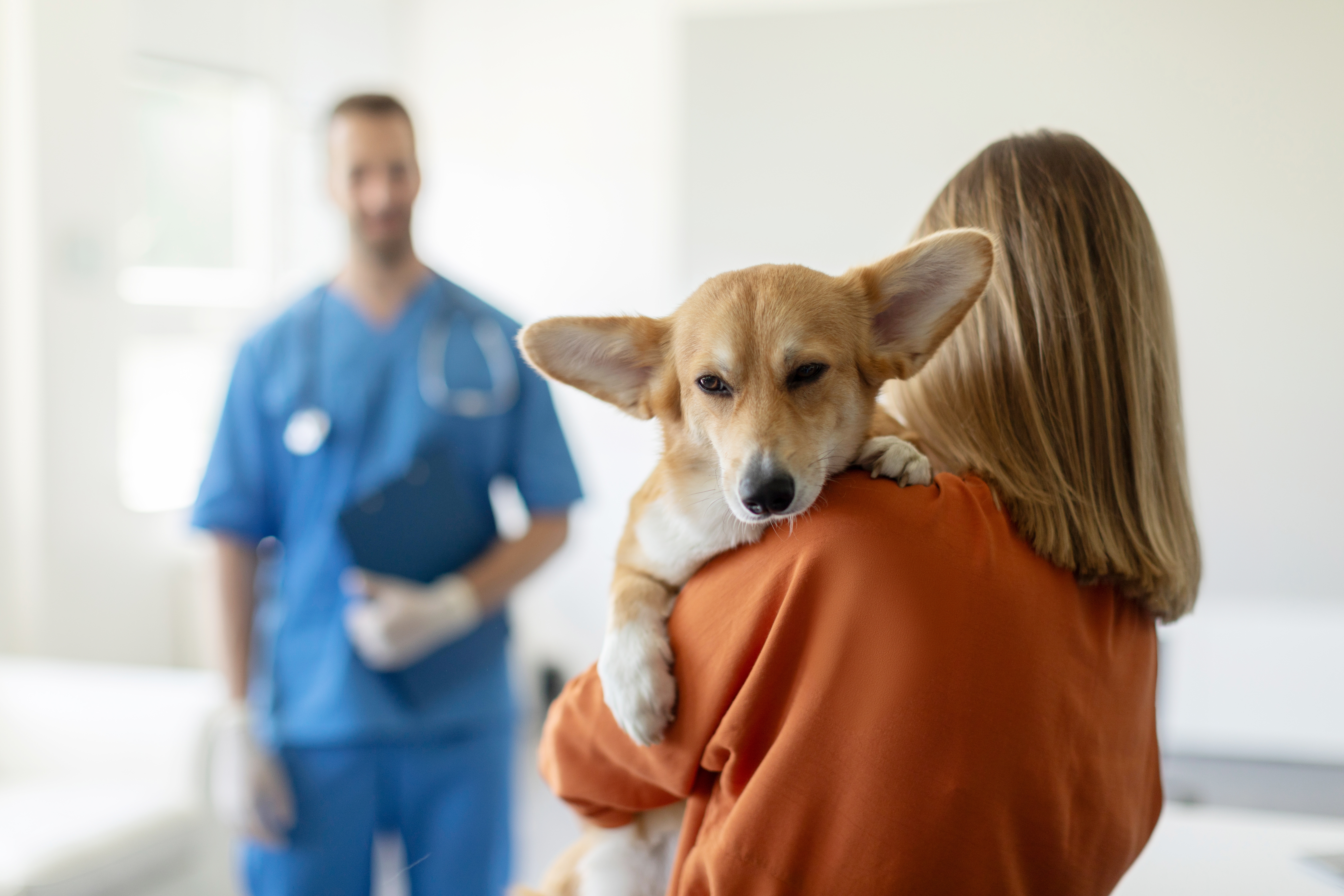
Halloween brings candy bowls, trick-or-treat bags, baked goods, and snacks into the house, which can also create new hazards for curious dogs. Two ingredients that deserve particular attention are chocolate and xylitol, a sugar substitute found in some sugar-free products.
At French Valley Veterinary Hospital in Winchester, CA, we provide emergency veterinary care for pets experiencing potentially serious health problems. If your dog gets into Halloween candy, acting quickly can make an important difference.
Why Is Chocolate Dangerous for Dogs?
Chocolate contains theobromine and caffeine, compounds that dogs metabolize much more slowly than people. The risk depends on the type of chocolate, the amount consumed, and your dog's body weight.
Dark chocolate, baking chocolate, and cocoa powder generally contain higher concentrations of theobromine than milk chocolate. A small amount that causes little concern in a large dog may be much more significant for a small dog.
Chocolate poisoning can affect the digestive, cardiovascular, and nervous systems. Symptoms may include vomiting, diarrhea, restlessness, rapid heart rate, tremors, or seizures.
Do not wait for these signs to appear before calling your veterinarian. Early treatment options may be more effective soon after ingestion.
Why Is Xylitol an Emergency?
Xylitol is especially dangerous because dogs can develop serious effects quickly. It may be found in sugar-free gum, candy, baked goods, certain nut butters, mints, supplements, and dental products.
In dogs, xylitol can trigger a rapid release of insulin that causes blood sugar to drop dangerously low. Larger exposures may also contribute to liver injury.
Possible warning signs include:
Vomiting
Weakness or unusual tiredness
Difficulty standing or walking normally
Shaking or tremors
Collapse
Seizures
Changes in alertness or responsiveness
A dog can initially appear normal after eating xylitol and still develop serious problems. If you know or suspect that a product contains xylitol, contact a veterinarian immediately.
What Should You Do After Your Dog Eats Halloween Candy?
First, remove any remaining candy so your dog cannot eat more. Find the package or wrapper and determine what your pet may have consumed.
Useful information includes the product name, type of chocolate, ingredient list, approximate amount missing, when the ingestion occurred, and your dog's weight. Bring the packaging with you if veterinary care is recommended.
Do not induce vomiting or give home remedies unless a veterinarian or animal poison professional specifically instructs you to do so. The safest response depends on the substance eaten, timing, amount, and your dog's current condition.
When Should You Bring Your Dog to a Winchester Vet?
Call us promptly after known or suspected chocolate or xylitol ingestion rather than waiting to see whether your dog becomes sick. Xylitol exposure should be treated as particularly urgent because blood sugar can fall rapidly.
Immediate veterinary attention is also important if your dog develops vomiting, weakness, tremors, collapse, seizures, an abnormal heartbeat, severe restlessness, or other sudden behavioral changes.
Treatment may involve decontamination when appropriate, blood testing, intravenous fluids, glucose support, medications, or monitoring depending on the toxin and severity of exposure.
French Valley Veterinary Hospital offers emergency care during our regular operating hours. If a serious poisoning occurs when our hospital is closed, seek care from an open emergency veterinary facility rather than waiting until the next business day.
Keep Halloween Treats Out of Reach
Store candy in closed cabinets rather than on tables, counters, or inside children's bags on the floor. Remind children not to share Halloween treats with pets, and check labels on sugar-free products for xylitol, which may also be listed as birch sugar.
If your dog eats chocolate, xylitol, or another potentially toxic Halloween treat, contact French Valley Veterinary Hospital at 30660 Benton Rd., STE D 401, Winchester, CA 92596 by calling (951) 926-8000. Our team can help you determine the appropriate next step and provide emergency veterinary care when your pet needs prompt attention.
Quick Links

Veterinary
Care Services

Keep
In Touch

KEEP IN TOUCH
LOCATION & HOURS
8:00 AM - 6:00 PM
Monday - Friday
8:00 AM - 3:00 PM
Saturday
Closed on Sundays
© 2025 French Valley Veterinary Hospital. All Rights Reserved.
Privacy Policy - Sitemap
Powered by:
