Thanksgiving Table Scraps: What Pet Owners Should Avoid

Thanksgiving Table Scraps: What Pet Owners Should Avoid

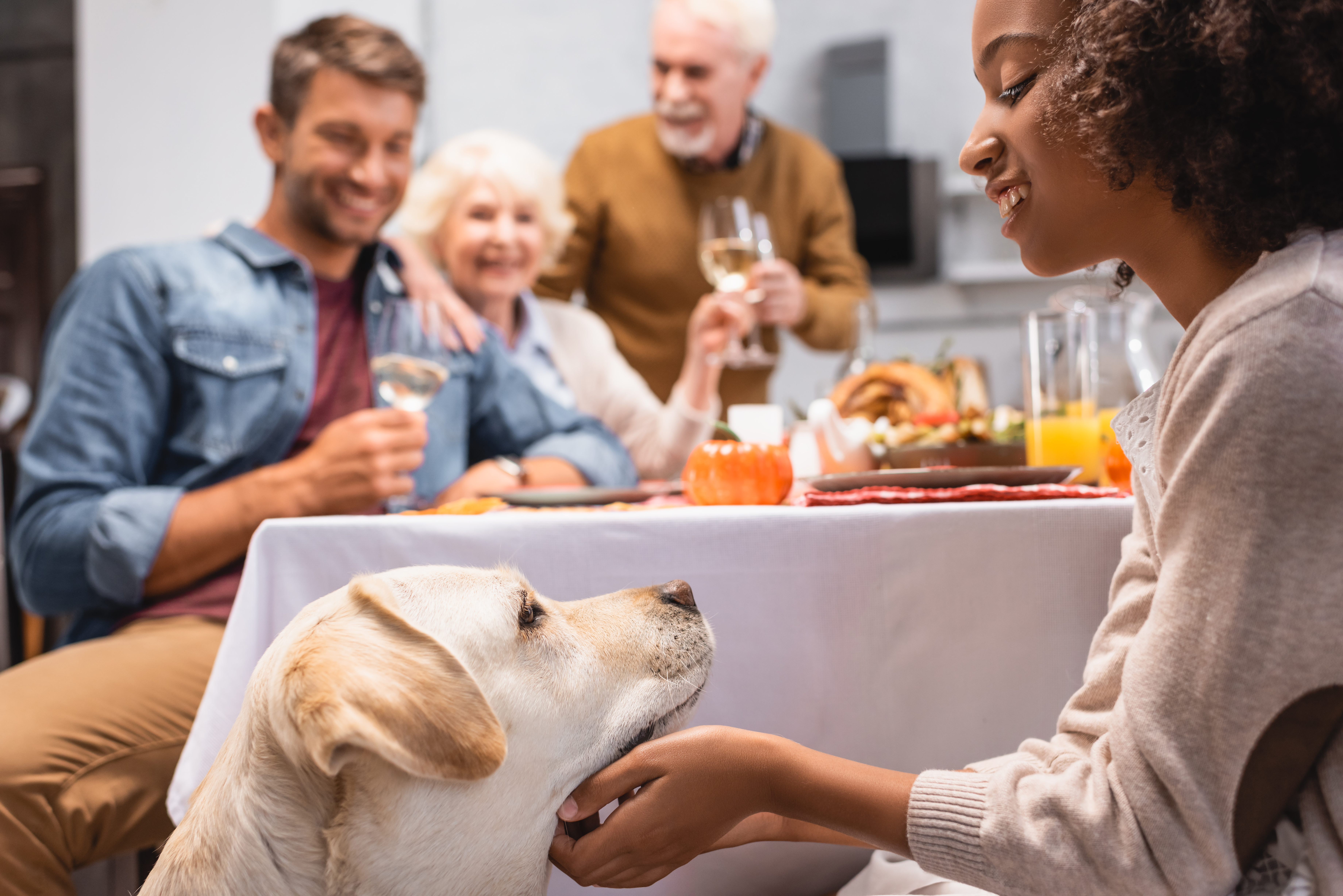
Thanksgiving brings plenty of tempting smells to the kitchen, and dogs and cats are often close by hoping something falls from the table. While sharing a small bite may seem harmless, many traditional holiday foods contain ingredients that can cause digestive problems or even serious toxicity in pets.
At French Valley Veterinary Hospital in Winchester, we want local pet owners to know which Thanksgiving table scraps are best kept out of food bowls so the holiday does not turn into an unexpected veterinary visit.
Can Pets Have Thanksgiving Turkey?
Plain, fully cooked turkey can be safe for many dogs and cats in small amounts when it is unseasoned, skinless, and completely free of bones.
The problem is that Thanksgiving turkey is rarely prepared that simply. Butter, gravy, garlic, onion, seasoning blends, and fatty skin can make scraps much harder on a pet's digestive system.
Cooked turkey bones are especially dangerous because they can splinter and cause choking, mouth injuries, intestinal obstruction, or damage to the digestive tract. Never give your pet bones from the Thanksgiving table.
Which Thanksgiving Foods Should Pets Avoid?
The safest strategy is to keep heavily seasoned and prepared holiday foods away from pets. Common foods and ingredients to watch include:
Onions, garlic, and foods seasoned with them
Grapes and raisins, including those in stuffing or desserts
Chocolate and cocoa-containing desserts
Foods or baked goods containing xylitol
Cooked turkey, chicken, or ham bones
Fatty meat scraps, turkey skin, gravy, and buttery foods
Alcohol and unbaked yeast dough
Some of these foods can be toxic even in relatively small quantities, while others may trigger vomiting, diarrhea, pancreatitis, or intestinal problems.
Why Are Fatty Foods a Problem?
Rich holiday foods are very different from your pet's regular diet. Turkey skin, gravy, butter, bacon, and fatty meat trimmings can cause digestive upset and, in some pets, contribute to pancreatitis.
Pancreatitis is inflammation of the pancreas and may cause repeated vomiting, abdominal pain, loss of appetite, weakness, or lethargy. It can become serious enough to require veterinary treatment.
For Winchester pet owners, sticking with your pet's normal food during Thanksgiving is safer than creating a plate of leftovers, even when none of the individual foods seem obviously toxic.
Be Careful With Desserts and Side Dishes
A casserole or dessert may contain several ingredients that are unsafe for pets. Stuffing can contain onions or garlic. Sweet potato dishes may include butter, sugar, raisins, or marshmallows. Desserts may contain chocolate, alcohol, nuts, or sugar substitutes.
This is why it is usually safer not to judge a dish based only on its main ingredient.
Make sure children and guests know not to feed pets from the table. Also keep plates, trash bags, food containers, and leftovers somewhere pets cannot reach them after dinner.
What Can You Safely Offer Instead?
If you want your dog or cat to feel included, set aside a small pet-safe treat before preparing the rest of the meal.
A bite of plain cooked turkey without skin, seasoning, or bones may be appropriate for many healthy pets. Small amounts of plain cooked vegetables such as green beans or carrots can also be options for some dogs.
If your pet has food allergies, diabetes, pancreatitis, gastrointestinal disease, or another medical condition, stay with the diet recommended by your veterinarian rather than introducing holiday treats.
What if Your Pet Eats Something Unsafe?
Do not wait for severe symptoms if you know your pet consumed chocolate, xylitol, grapes, raisins, a large amount of onion or garlic, cooked bones, or another potentially dangerous food. Contact a veterinarian or emergency veterinary facility promptly for guidance.
Vomiting, repeated diarrhea, abdominal pain, weakness, tremors, seizures, difficulty breathing, collapse, or significant bloating also require prompt veterinary attention.
If your pet gets into Thanksgiving table scraps or develops concerning symptoms, contact French Valley Veterinary Hospital at 30660 Benton Rd., Suite D-401, Winchester, CA 92596 by calling (951) 926-8000 for veterinary care.
Quick Links

Veterinary
Care Services

Keep
In Touch

KEEP IN TOUCH
LOCATION & HOURS
8:00 AM - 6:00 PM
Monday - Friday
8:00 AM - 3:00 PM
Saturday
Closed on Sundays
© 2026 French Valley Veterinary Hospital. All Rights Reserved.
Privacy Policy - Sitemap
Powered by:
