The Inland Empire Heat Wave: Recognizing the Hidden Cellular Signs of Pet Heatstroke

The Inland Empire Heat Wave: Recognizing the Hidden Cellular Signs of Pet Heatstroke

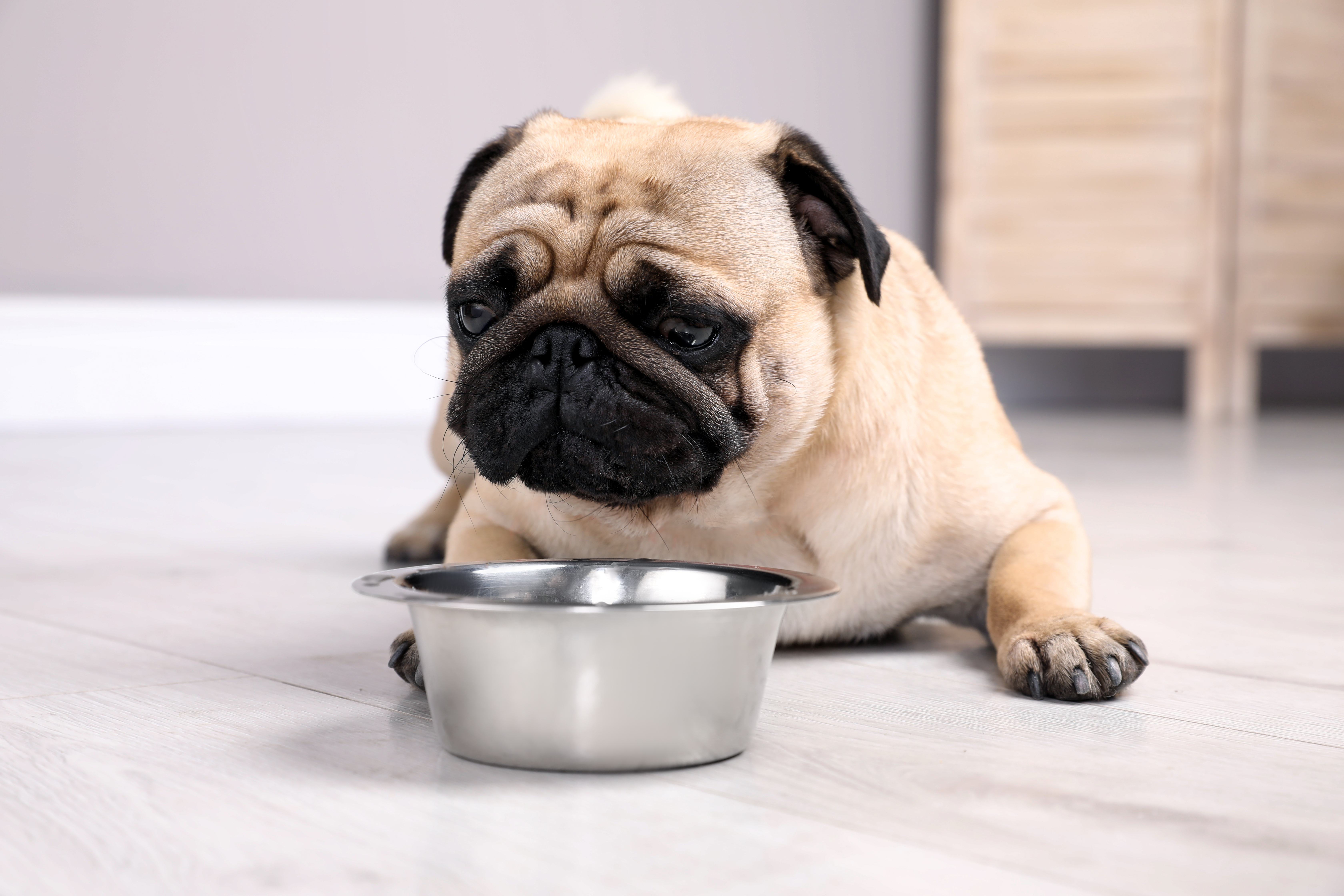
July heat in the Inland Empire can be dangerous for pets, especially during long walks, car rides, backyard play, and outdoor errands. Dogs and cats do not cool themselves the same way people do, which means heat stress can develop quickly. By the time a pet looks severely ill, heatstroke may already be affecting the body at a deeper cellular level.
At French Valley Veterinary Hospital in Winchester, we help pet owners protect their companions with preventive veterinary care, wellness exams, and guidance for recognizing urgent health concerns during hot Southern California summers.
Why Pets Overheat So Quickly
Pets rely mainly on panting, limited sweating through the paw pads, and finding cooler surfaces to regulate body temperature. When outdoor temperatures rise, especially during an Inland Empire heat wave, those cooling methods may not be enough.
Heatstroke can happen when a pet’s body temperature climbs to a dangerous level and the body cannot cool down fast enough. This can affect the brain, heart, kidneys, liver, blood clotting system, and digestive tract. It is not simply “being too hot” - it can become a medical emergency.
What Hidden Cellular Damage Means
When a pet overheats, the body’s cells may become stressed and damaged. Proteins can break down, inflammation can increase, blood flow can change, and organs may not receive oxygen as efficiently. This internal damage may begin before owners notice dramatic symptoms.
That is why early action matters. Waiting to see if a pet “cools off” on their own can allow heat injury to progress. If you suspect heatstroke, contact a veterinarian or emergency veterinary clinic right away.
Pets At Higher Risk In Winchester Summers
Any pet can develop heatstroke, but some are more vulnerable. Flat-faced breeds, senior pets, puppies, overweight pets, pets with heart or breathing problems, and animals with thick coats may struggle more in hot weather.
Pets that are active, anxious, or excited may also overheat faster because they keep moving even when their body needs rest. In Winchester and the surrounding Inland Empire, high daytime temperatures can make even routine outdoor activity risky.
Warning Signs Of Pet Heatstroke
Heatstroke can look different depending on the pet and how long they have been overheated. Seek veterinary attention if you notice:
- Excessive panting or noisy breathing
- Thick drool or bright red gums
- Weakness, wobbling, or collapse
- Vomiting or diarrhea
- Rapid heartbeat
- Confusion, agitation, or glassy eyes
- Seizures or tremors
- Body that feels very hot to the touch
These signs may indicate serious heat stress and should not be ignored.
Why Cars Are Especially Dangerous
A parked car can heat up quickly, even with the windows cracked. Pets left inside may become trapped in rising temperatures with no way to escape. Heatstroke can develop in minutes, especially during July afternoons in the Inland Empire.
If you need to run errands, leave your pet at home in a cool indoor space. Even a short stop can become dangerous when temperatures are high.
How To Reduce Heatstroke Risk
Prevention starts with adjusting your pet’s routine during hot weather. Walk dogs early in the morning or later in the evening when pavement is cooler. Keep outdoor time short, provide constant access to water, and make sure pets have shade and air conditioning.
Before walks, test pavement with the back of your hand. If it is too hot for your skin, it can burn your pet’s paw pads. Avoid intense exercise during peak heat, and never force a pet to continue activity if they are slowing down or panting heavily.
What To Do If You Suspect Heatstroke
Move your pet to a cooler area immediately. Offer small amounts of water, but do not force drinking. You can begin cooling with cool, not ice-cold, water on the body while arranging veterinary care. Avoid ice baths, as extreme cold can cause blood vessels to constrict and may make cooling less effective.
Even if your pet seems better after cooling down, a veterinary exam is still important. Internal complications may continue after the visible symptoms improve.
Protecting Pets During Inland Empire Heat Waves
Heatstroke can move from mild stress to a life-threatening emergency quickly. Knowing the warning signs, limiting heat exposure, and acting fast can help protect your pet during July heat in Winchester and the greater Inland Empire.
To schedule a wellness exam or discuss summer heat safety for your pet, contact French Valley Veterinary Hospital in Winchester, CA at 30660 Benton Rd. STE D 401, Winchester, CA 92596, or call (951) 926-8000.
Quick Links

Veterinary
Care Services

Keep
In Touch

KEEP IN TOUCH
LOCATION & HOURS
8:00 AM - 6:00 PM
Monday - Friday
8:00 AM - 3:00 PM
Saturday
Closed on Sundays
© 2025 French Valley Veterinary Hospital. All Rights Reserved.
Privacy Policy - Sitemap
Powered by:
