What to Expect at Your Pet's Spay or Neuter Appointment: Our French Valley Surgery Safety Protocol

What to Expect at Your Pet's Spay or Neuter Appointment: Our French Valley Surgery Safety Protocol

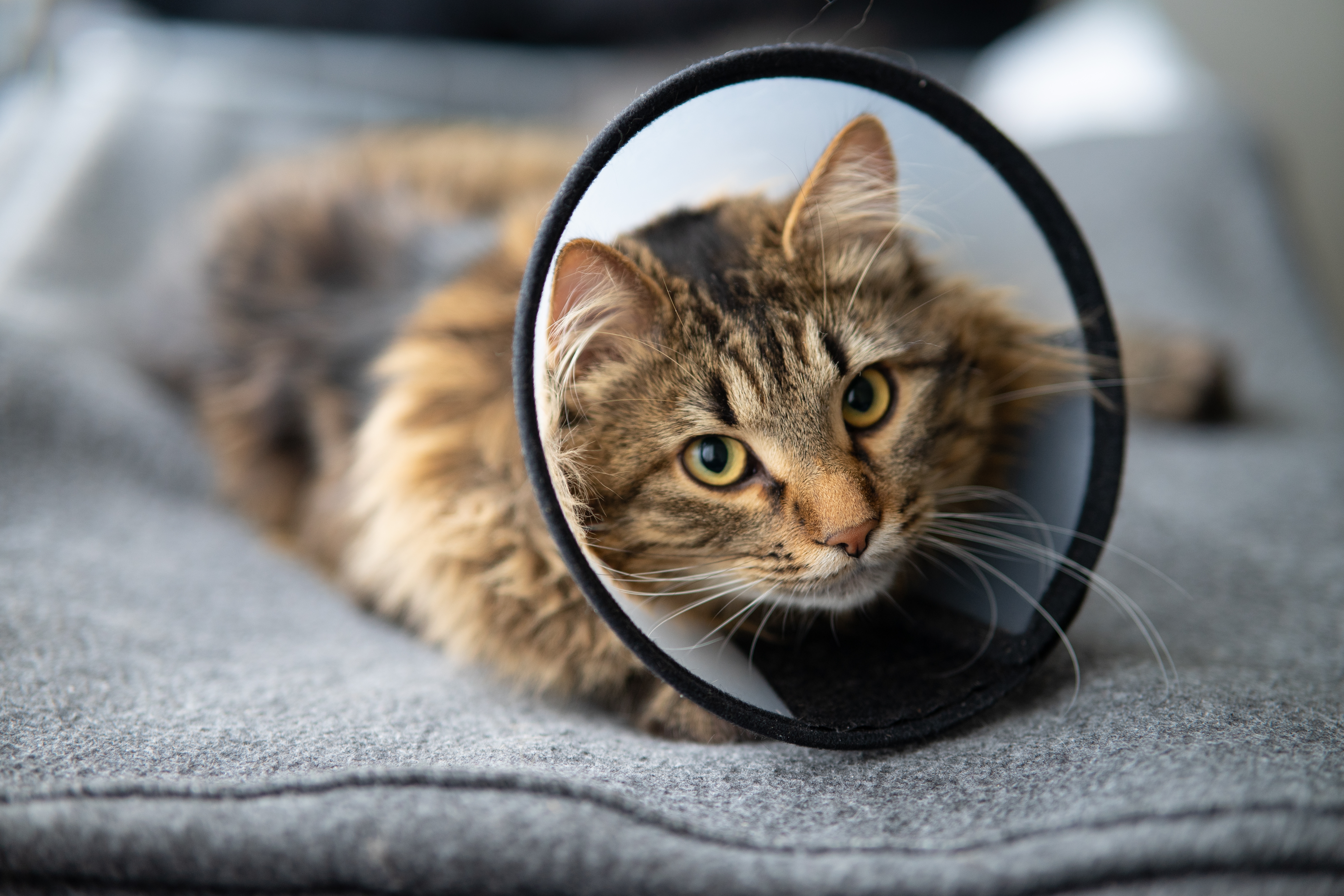
Scheduling your pet's spay or neuter surgery is an important part of responsible preventive care. It can help prevent unwanted litters and eliminate or reduce the risk of certain reproductive health problems. For many pet owners, however, the thought of anesthesia and surgery can naturally bring questions about safety and recovery.
At French Valley Veterinary Hospital in Winchester, we perform routine spay and neuter procedures with a strong focus on safety, comfort, and healthy outcomes. Our surgical team uses modern anesthetic protocols, advanced monitoring equipment, and thorough pain management before, during, and after surgery.
Before Your Pet's Surgery
Preparation begins before your pet enters the operating room. Our veterinary team reviews your pet's medical history and current health to identify any factors that could influence anesthesia or recovery.
Depending on your pet's age, health, and individual needs, diagnostic testing may be recommended before surgery. Pre-anesthetic testing can provide information about organ function and other health factors that may affect how safely anesthesia can be administered.
Pet owners should also carefully follow any feeding, medication, or arrival instructions provided before the appointment. These instructions are individualized, so contact our Winchester veterinary team if anything is unclear before surgery day.
Our Spay and Neuter Safety Protocol
No surgical procedure is completely without risk, which is why careful anesthesia management and patient monitoring are so important. At French Valley Veterinary Hospital, our approach prioritizes your pet's safety throughout each stage of the procedure.
Our surgical care includes attention to:
- Anesthetic protocols selected according to the individual patient
- Advanced monitoring equipment during surgery
- Ongoing observation of vital signs while your pet is anesthetized
- Pain management before, during, and after the procedure
- Careful recovery monitoring as your pet wakes from anesthesia
- Clear home-care instructions for the recovery period
Our veterinary technicians and surgical team work together to keep each patient as comfortable and closely monitored as possible.
What Happens During a Spay?
A spay is performed on female pets and typically involves surgically removing the reproductive organs. This prevents pregnancy and eliminates the risk of uterine infection. It also removes the risk of ovarian disease and can reduce the risk of mammary tumors when performed at an appropriate age.
Because a spay involves abdominal surgery, your pet will need a period of restricted activity afterward while the incision heals.
What Happens During a Neuter?
A neuter is performed on male pets and involves removing the testicles. In addition to preventing reproduction, neutering eliminates the risk of testicular cancer and may reduce certain reproductive or hormone-related health concerns.
Neutering is generally less invasive than a traditional spay, but pets still require appropriate anesthesia, pain control, incision monitoring, and activity restrictions during recovery.
What Should You Expect After Surgery?
Most pets are understandably tired after anesthesia. Your pet may sleep more than usual or have a reduced appetite for a short period after returning home.
Keeping activity controlled is essential. Running, jumping, rough play, and excessive licking can interfere with healing or damage the incision. Your veterinary team will explain how long activity should be limited and whether your pet needs an Elizabethan collar or another method of preventing incision licking.
Check the surgical site regularly and follow all medication instructions carefully. Contact us if you notice significant swelling, persistent bleeding, discharge, an opened incision, repeated vomiting, extreme lethargy, or another unexpected change.
Choosing Safe Surgical Care in French Valley
Spaying or neutering is routine, but your pet still deserves individualized surgical attention. From anesthesia and monitoring to pain control and postoperative care, every stage contributes to a safer and more comfortable experience.
If your dog or cat is ready for spay or neuter surgery, schedule an appointment with French Valley Veterinary Hospital at 30660 Benton Rd., Suite D-401, Winchester, CA 92596, or call (951) 926-8000 to discuss your pet's surgical needs and preparation.
Quick Links

Veterinary
Care Services

Keep
In Touch

KEEP IN TOUCH
LOCATION & HOURS
8:00 AM - 6:00 PM
Monday - Friday
8:00 AM - 3:00 PM
Saturday
Closed on Sundays
© 2025 French Valley Veterinary Hospital. All Rights Reserved.
Privacy Policy - Sitemap
Powered by:
